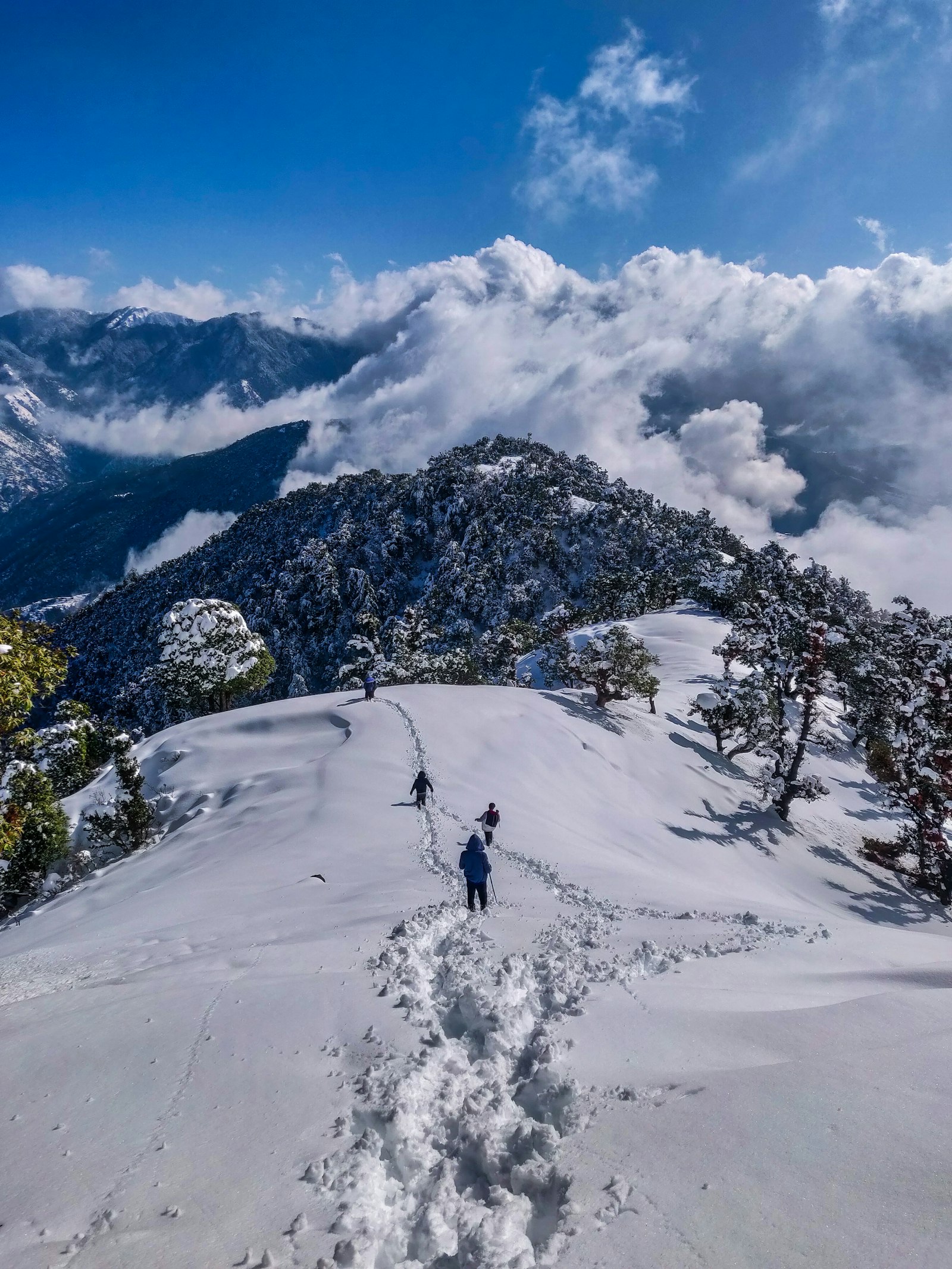
There is a fortnight, somewhere between the last week of April and the second of May, when the Kunzum La opens and Spiti reveals itself as a different country to the one we visited in September. The light is harder. The river runs grey-green from the season's first melt. And the homestays — Komik, Langza, Demul — have just finished their long winter quiet.
What changes
The monks at Key Monastery wake the same way they always have: prayer at 4:30 am, butter lamps lit one by one. But the courtyards are still cold enough that you cup your hands around your tea between sips. The juniper-wood fires smell deeper. And every homestay we work with — every single one — runs on snowmelt-powered micro-hydro through the shoulder season. No diesel.
Why our concierges return
We send a member of our team to Spiti every May, before guest season begins. They drive the circuit, sit with each host family, and re-confirm the itineraries we offer. Last year we found one homestay we had recommended for five years had quietly become commercialised. We removed it. That same year we added two new ones, in villages we'd previously thought too remote.
This is what 'vetted' means at MyEcoTour. Not a tick box. A person, in May, on a 2,400-metre pass, drinking butter tea with someone who used to be a stranger and is now a friend.
A note on pace
Our standard Spiti circuit is eight nights — long enough that you don't lose three days to altitude. Longer than most operators offer. We refuse to compress it. Spiti rewards the slow traveller. Always has.
Concierge advice: if you are considering Spiti, write to us by early March. We hold our preferred homestay rooms through April, and they fill the moment Kunzum La opens.