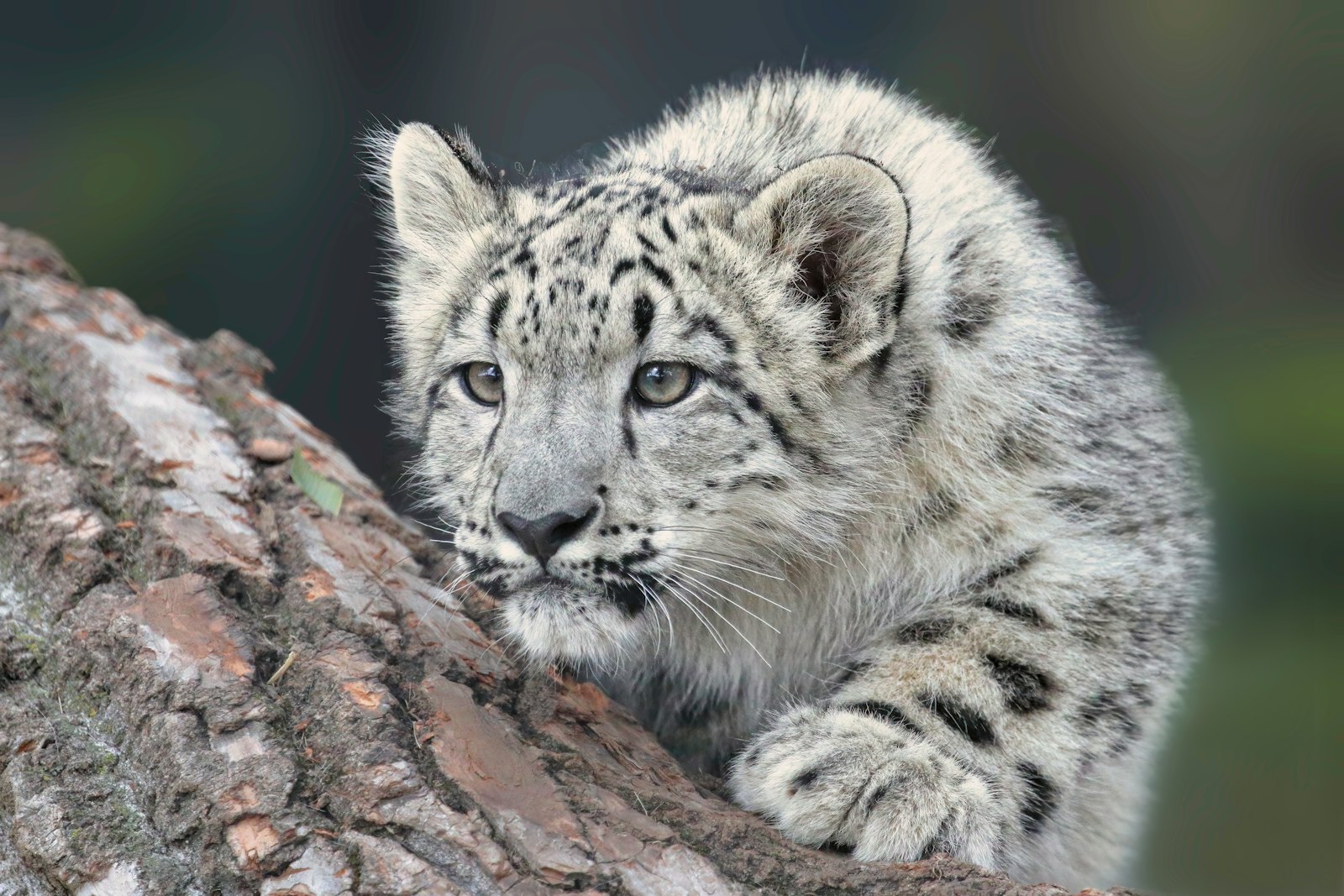

There is a moment on every Indian safari that guests describe the same way. The jungle goes quiet — langurs stop mid-chatter, a chital stamps and barks its alarm — and the naturalist cuts the engine. Somewhere inside that wall of dry teak and flame-of-the-forest, a tiger is moving. When she finally steps onto the track, unhurried and utterly indifferent to your existence, every wildlife documentary you have ever watched collapses into something far larger: presence.
India holds over seventy percent of the world's wild tigers, and nowhere else on Earth can you see them like this — in ancient hunting forests threaded with fort ruins, from open 4x4s, with trackers who read pugmarks the way most of us read headlines. This is the journey our Classic Tiger Trail was designed around: sixteen days, three of India's greatest reserves, and ten to twelve dawn-and-dusk drives that stack the odds decisively in your favour.
Why Three Parks, Not One
Most first-time safari planners ask us to pick a single park. We almost always talk them out of it — and not to sell a longer trip. Tiger sightings are probabilistic: a tigress with cubs den-bound in one reserve, unseasonal rain in another, a territorial shuffle in a third. Spreading twelve drives across three distinct ecosystems converts luck into statistics.
Ranthambore (3 nights) is the romantic overture — dry deciduous forest wrapped around a 10th-century fort, where tigers drink beside crumbling chhatris and the light at golden hour belongs on gallery walls. Jim Corbett (3 nights) is India's oldest national park and its wildest: sal forest, grassland and the braided channels of the Ramganga, with elephants, otters and 600 bird species as supporting cast. Bandhavgarh (3 nights) is the closer — the highest tiger density in India, where the question is less whether you will see a tiger than how many.
A Day on the Trail
Safari days keep a monastic rhythm. Wake at 5 a.m. to bed tea; be at the park gate as it opens, when the forest is cold and the night's dramas are still written in the dust. Drives run three to four hours behind expert naturalists who triangulate alarm calls in real time. Back at the lodge: a long brunch, a siesta through the heat, perhaps a naturalist talk on tiger dynamics. Then out again at 3 p.m. for the evening drive, when tigers rise from the day's torpor and walk their territories. Dinner is under mahua trees, to a soundtrack of nightjars.
Eco-Lodges That Fund the Forest
We place guests only in premium eco-lodges on the park peripheries — solar-powered cottages, kitchens supplied by village farms, guides and staff hired from surrounding communities. This is not aesthetic garnish. A share of every booking funds anti-poaching patrols and village conservation programmes, which means the economics of your holiday flow to the people best positioned to keep tigers alive. It is the reason forest-edge villages defend these parks rather than resent them.
Extending the Arc: Dudhwa, Pench & Tadoba
For guests with more time — or a second visit — the trail extends beautifully. Dudhwa's terai grasslands on the Nepal border feel like a lost Africa, with barasingha herds and one-horned rhino. Pench is the forest that raised Mowgli — Kipling set The Jungle Book here. Tadoba, Maharashtra's dry teak country, has become one of the most reliable tiger theatres in India and stays open through parts of the monsoon when others close.
Which park is best for tiger sightings in India?
Bandhavgarh has the country's highest tiger density and the most consistent sightings. Ranthambore offers the most photogenic setting — tigers against fort ruins and lakes — while Corbett delivers the wildest, most varied safari. The Classic Tiger Trail covers all three so you never have to gamble on one forest.
When is the best time for a tiger safari in India?
October to June, with March to May the statistical peak: dry-season heat concentrates tigers at waterholes and thinning foliage improves visibility. Parks close during the monsoon (July–September). For pleasant temperatures with strong odds, February to April is the sweet spot.
Are tiger sightings guaranteed?
No ethical operator guarantees a wild animal. But with ten to twelve drives across India's three best tiger habitats, the overwhelming majority of our guests see multiple tigers — often including cubs. Our naturalists track fresh pugmarks and alarm calls on every drive to maximise each window.
How much does a luxury tiger safari in India cost?
The 16-day Classic Tiger Trail starts at ₹1,45,000 per guest, all-inclusive — park permits, private drives, premium eco-lodge stays, meals and inter-park transfers. Shorter 6–8 night single-park versions and bespoke extensions into Dudhwa, Pench or Tadoba are priced on request.
Is a tiger safari suitable for children or older travellers?
Yes, with planning. Most parks welcome children above five; drives are non-strenuous and vehicles are private, so the pace is entirely yours. We adjust drive lengths, add rest days and choose lodges with pools and shaded verandas for multi-generational groups.
Begin at the Park Gate
The tigress does not know she is the reason you crossed the world. That indifference is precisely the gift — a reminder of a wilder order that predates us and, with the right kind of travel, will outlast us. Explore the Tiger Safari — Classic Tiger Trail itinerary, or speak to our concierge and we will build the forest arc around your dates.