
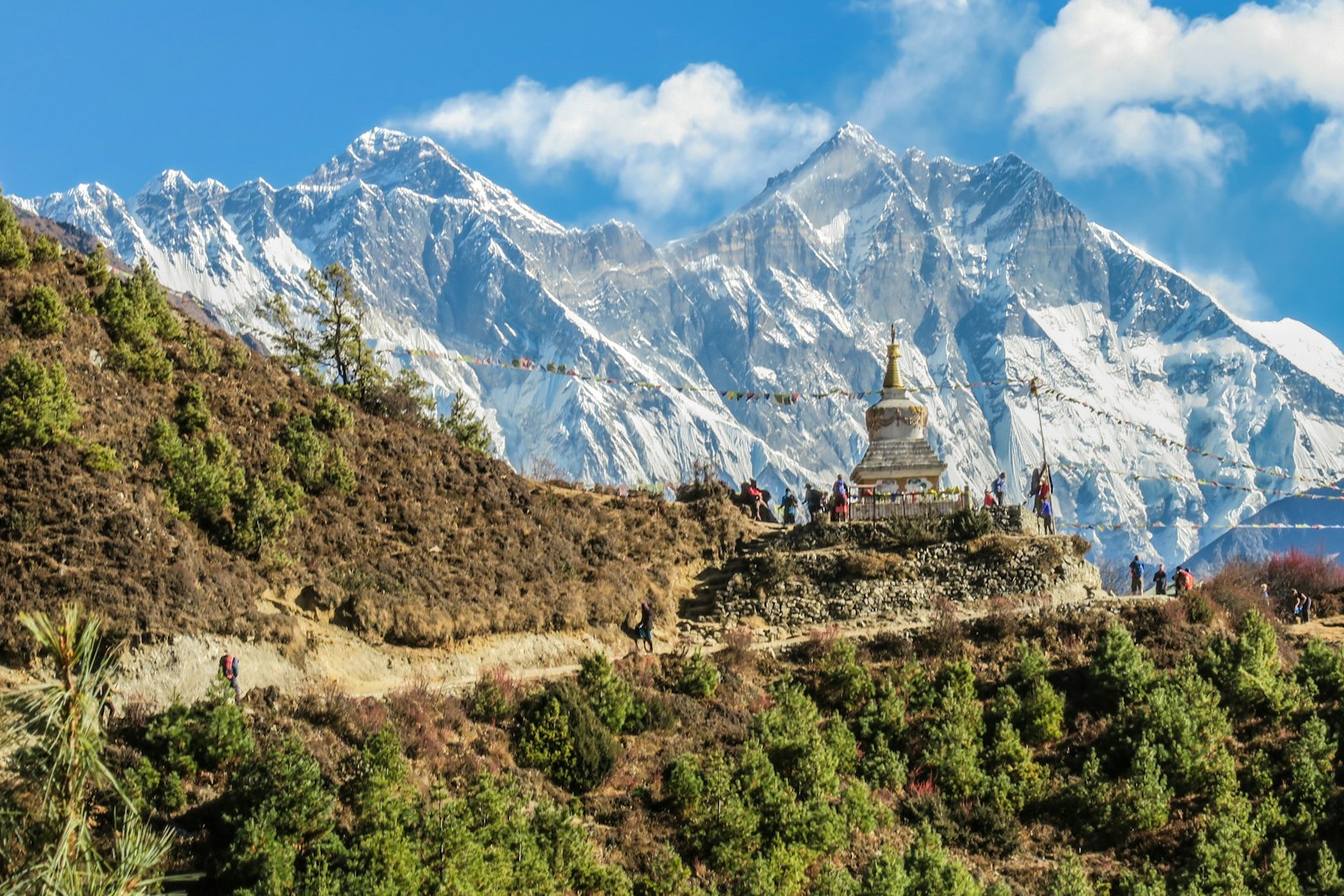

“From the first phone call I knew this wasn't a travel agency — it was a quiet curator. Bhutan unfolded slowly, exactly as we had hoped. Restored farmhouses, monks who'd become friends, and not a single rushed moment.”
Slow travel through the last Himalayan kingdom.
A measured journey from Thimphu to Bumthang in vehicles, on foot and on horseback. Stay in restored farmhouses; every booking funds the kingdom's Gross National Happiness fund.
Carbon-neutral
Footprint measured and offset on every itinerary.
Community-owned
Lodge revenue stays close to the host community.
Vetted
Visited, revisited and personally curated.
Share this journey
No obligation · No brochure-speak
Tell us your dates — receive a bespoke itinerary and quote within 24 hours.
Common questions
Before you book Bhutan Heritage Trail.
What is Bhutan's Sustainable Development Fee (SDF)?
Bhutan charges a government SDF of US$100 per adult per night (halved for children 6–12), which funds free healthcare, education and Bhutan's carbon-negative forests. We build it transparently into your quote and handle the visa and permits end to end.
How hard is the Tiger's Nest (Paro Taktsang) hike?
It's a 4–5 hour round trip climbing roughly 500 m to 3,120 m. A steady walker manages it comfortably with our pace — mules assist the first half, and we schedule it late in your itinerary so you're acclimatised. The cliffside monastery is worth every step.
When is the best time to visit Bhutan?
March–May for rhododendron blooms and clear Himalayan views, or September–November for festival season — including the spectacular Thimphu Tshechu masked dances. Winter is quiet and crisp; monsoon (June–August) is best avoided for trekking.
In their words
Past guests on Bhutan Heritage Trail.
Or, write to us here